How Phoenix’s Climate and Lifestyle Attract Multifamily Investors
The draw: climate, outdoor living, and steady demand
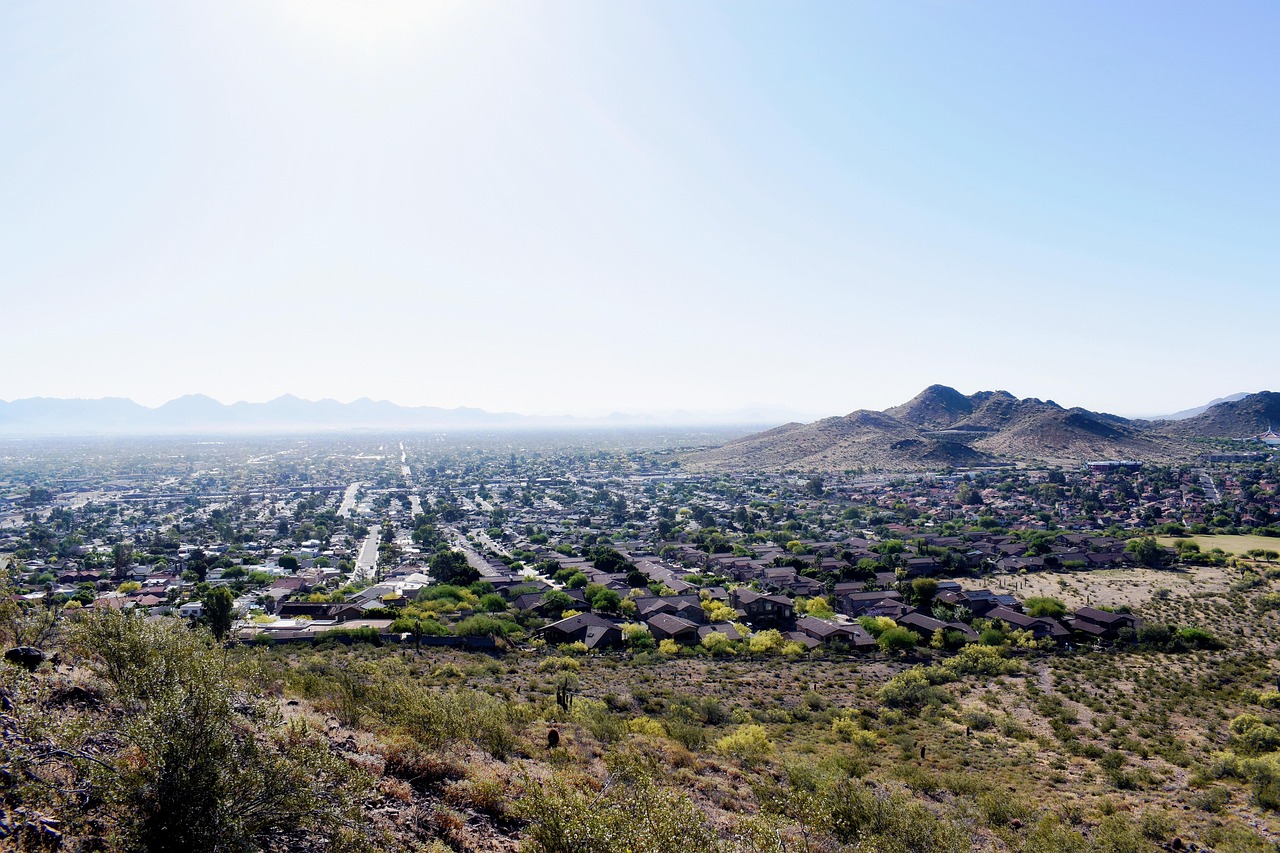
Phoenix is built for year-round activity. The metro ranks as one of the sunniest major cities on the planet, logging roughly 3,800+ hours of bright sunshine each year. Clearly, Phoenix offers an outdoor lifestyle that keeps amenity spaces active and resident satisfaction high.
Sunshine translates into amenity use and retention.
Pools, courtyards, grills, and dog parks get used here. Sunshine and long shoulder seasons keep them active. Well-kept amenities correlate with higher renewal intent and stronger reviews. (nmhc.org) The city’s heat programs and “cool pavement” pilots also show a public commitment to thermal comfort at the neighborhood level even when the heat rises. Surface temperatures on treated streets were 10 to 12°F lower at midday than those on traditional asphalt, with cooler subsurface readings as well. (phoenix.gov)

Lifestyle magnets feed leasing pipelines.
Migration from other regions remains a key demand driver. In 2024, the Phoenix area added approximately 85,000 people, with international arrivals playing a significant role. New residents lease apartments, create jobs, and keep demand steady. (Axios.com)
Phoenix also continues to invest in access across the metropolitan area. The South Central Extension and Downtown Hub created a two-line light-rail system with eight new stations, expanding car-optional living and improving connectivity for renters who prioritize transit. (valleymetro.org)
Affordability pulls renters from coastal markets.
Relative value matters. Rents and everyday costs are materially lower than in sunny Los Angeles, which improves a renter’s quality of life and widens your property’s addressable audience. Benchmarks show that the cost of living, including rent in Phoenix, is about 22% lower than in Los Angeles, and rent prices in Phoenix are about 38% lower than in Los Angeles. Numbeo
Parks, trails, and weekend culture keep residents engaged.
Access to parks and recreation strengthens the lifestyle story, especially for communities near greenways and mountain preserves. Phoenix has room to grow on park proximity, yet the system is investing, and residents still benefit from significant desert-trail access and destination parks. Use this in submarket positioning when assets sit near trailheads or upgraded park corridors. (tpl.org)
Climate resilience is becoming a leasing feature.
From shaded streets to misting systems, residents see visible efforts to make public areas in Phoenix neighborhoods more comfortable. The city’s Office of Heat Response and Mitigation coordinates programs that lower temperatures and expand heat-relief infrastructure. For owners, this supports resident well-being and community perception, which in turn supports occupancy and brand reputation. (phoenix.gov)
What does this mean for the performance of multifamily properties?

Lifestyle advantages help, but investors ultimately need numbers. Recent reads show stabilization in key metrics:
- Effective rents increased in Q2 2025 to approximately $1,615 per unit across the metro, representing a quarter-over-quarter improvement that signals strengthening fundamentals. (cushmanwakefield.com)
- Strong demand helped stabilize conditions as supply delivered, with national absorption also printing one of the strongest quarters since 2000, a tailwind for Sun Belt markets like Phoenix. (cushmanwakefield.com)
Submarket angles to prioritize
- Transit-served corridors along the expanded light rail for car-light households and service workers. (Valley Metro)
- Job-node adjacencies near Chandler, Tempe, and North Phoenix for engineering, healthcare, and data-center hires. Pair with indoor fitness, coworking, and shaded outdoor workspaces.
- Parks and trail access near mountain preserves for weekend-warrior renters who value outdoor routines.
Investor takeaway
Phoenix’s climate and lifestyle are not marketing slogans. They are quantifiable advantages that keep amenities full, drive renewals, and attract a steady stream of renters from pricier markets. Layer those features over a market that is stabilizing in terms of rents and expanding transit access. You have a clear case for multifamily assets with strong resident demand and a credible path to long-term cash flow.
About Rise48 Equity:
Rise48 Equity is a Multifamily Investment Group with local offices in Phoenix, AZ, Dallas, TX, and Charlotte, NC. “At Rise48 Equity, we provide opportunities for accredited and non-accredited investors to protect and grow their wealth and achieve passive cash flow. Our team brings expertise to acquire, reposition, and return capital to investors upon reaching our business plan. Through our research and strategically formed partnerships, we acquire commercial multifamily apartment properties, strategically add value to the properties, and create passive income for our investors through cash flow and profits from the sale.”
Ready to Explore Investment Opportunities in Dallas?
If you’re looking to learn more about how you can achieve passive cash flow through Rise48 Equity’s multifamily investments in Dallas, schedule a brief call with us today. Let’s discuss how we can help you grow your wealth through strategic real estate investments.