DFW Sustains Strong Economic Trajectory in August
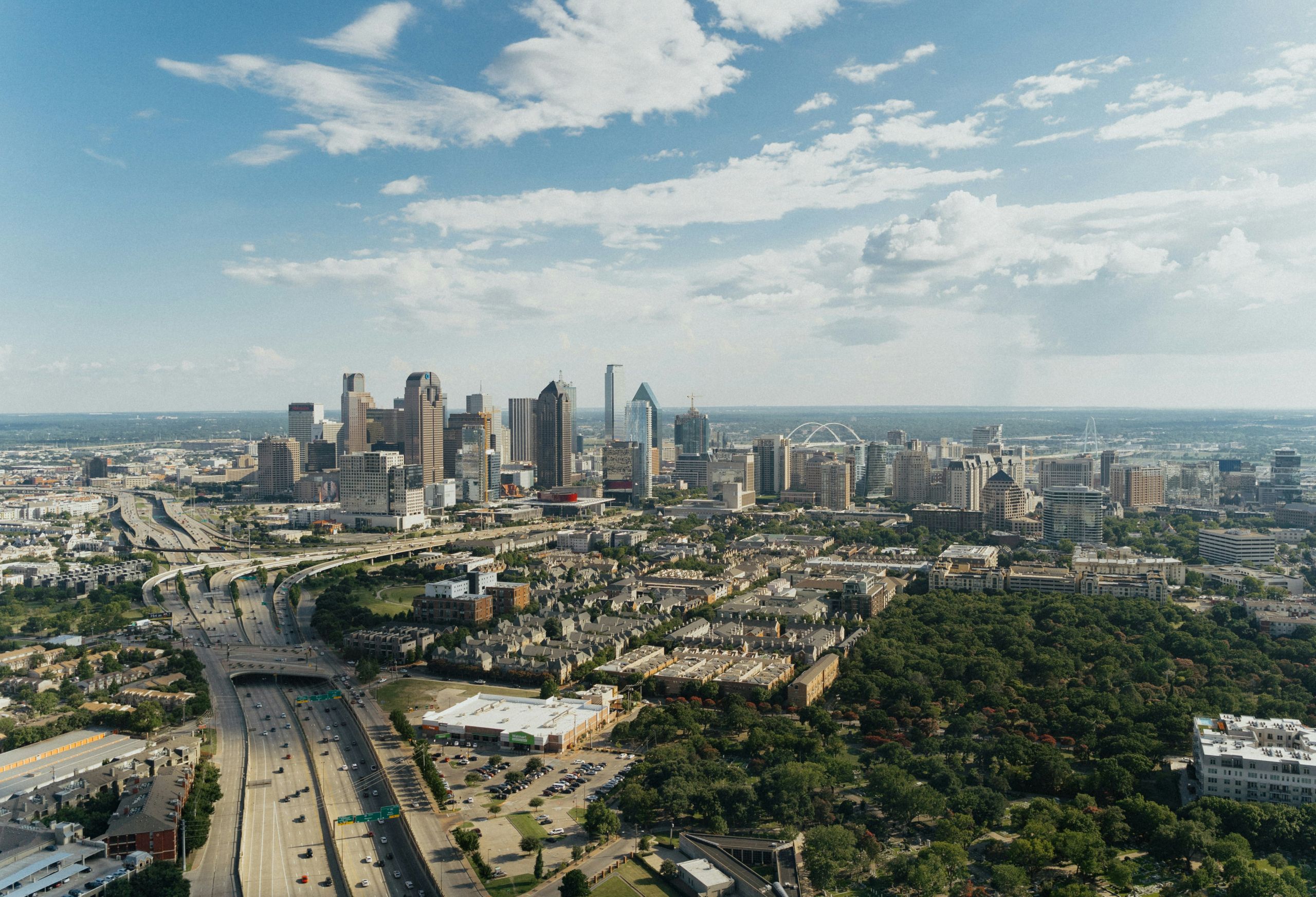
Dallas-Fort Worth once again proved its resilience and momentum in August 2025, posting meaningful gains across technology, real estate, infrastructure, healthcare, and hospitality. From Fort Worth’s emergence as a national hub for AI-driven manufacturing and cloud computing, to Dallas’s rebound in office market activity and strategic land acquisitions in the suburbs, the Metroplex continues to outperform many of its peer cities.
This month also brought headline-grabbing investments in hospital capacity, boutique hotel development, and corporate expansions that signal long-term confidence in the region’s talent pool, business climate, and connectivity. Whether it’s a supercomputer campus in Fort Worth or a luxury Japanese hotel in Plano, the Dallas-Fort Worth MSA is evolving in all the right ways balancing growth with livability, and innovation with infrastructure.
AI Infrastructure Expands in Fort Worth with Wistron and Adom Industries

Fort Worth is fast becoming one of the nation’s most important hubs for AI hardware and digital infrastructure, with two groundbreaking announcements in August 2025 that position the city at the forefront of next-generation computing.
Taiwan-based tech manufacturer Wistron, in partnership with Nvidia, finalized plans to develop a supercomputer factory campus in Fort Worth, acquiring several industrial sites to support the construction of AI systems at scale. As reported by the Dallas Business Journal, the facilities will produce and assemble advanced servers and cooling technologies used in AI data centers, with capacity aimed at meeting the global demand for high-performance computing.
Industry analysts view the project as a major win for Fort Worth’s long-term industrial diversification and workforce development. “Wistron’s decision arrives at an opportune moment when reshoring is redefining America’s industrial future, with AllianceTexas at the forefront of this movement. With a skilled and growing workforce available and backed by strong support from the City of Fort Worth, Denton County, the State of Texas and our private-sector partners, Wistron will find the support and resources it needs to succeed. We look forward to the economic impact and innovation this project will bring,” Ross Perot Jr., chairman of Hillwood said in a statement (Dallas Business Journal)
In a complementary development, Adom Industries, a New York-based AI-native cloud company, announced a $229 million investment to build its headquarters and cloud computing factory in Fort Worth. The campus will support hyperscale infrastructure, enabling clients in healthcare, finance, and research to deploy AI at speed and scale. The Fort Worth Economic Development Partnership confirmed that the project will create hundreds of new jobs, adding depth to the city’s tech ecosystem and signaling rising demand for regional AI capacity. (Fort Worth EDP)
Together, these projects highlight Fort Worth’s emergence as a strategic destination for AI-focused manufacturing, digital logistics, and cloud services a transformation that promises to reshape the economic identity of the city and position it as a national leader in next-gen infrastructure.
North Texas Real Estate Powers Forward: Office Market and Strategic Land Buys
While many urban office markets across the country remain sluggish, Dallas-Fort Worth continues to defy national trends, with August 2025 marking one of its strongest months for commercial activity in years.
According to the Dallas Business Journal, DFW’s office market is showing renewed momentum, fueled by major lease transactions, relocations, and investments in Class A buildings especially in business hubs like Uptown Dallas and West Plano. Demand is being driven by companies seeking amenity-rich, hybrid-friendly office environments that offer proximity to top talent, housing, and lifestyle infrastructure.

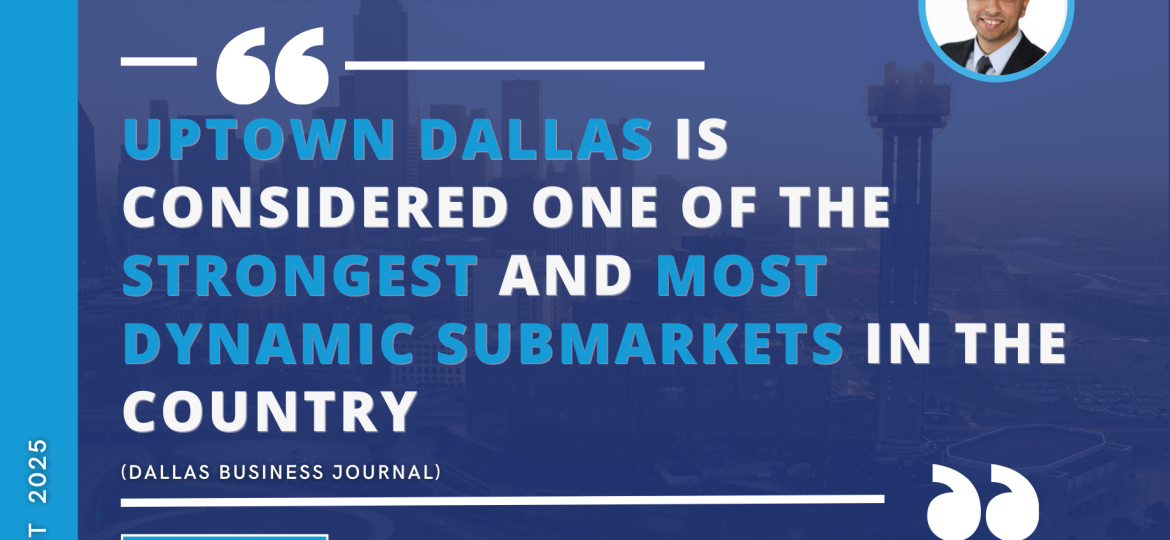
In the month’s headline transaction, Cousins Properties closed Dallas’s largest office deal of the year, signaling major institutional confidence in the long-term health of the urban core. “From a market perspective, we have now planted a flag in Uptown Dallas, one of the strongest and most dynamic submarkets in the country,” Executive Vice President Kennedy Hicks told the Dallas Business Journal, pointing to the city’s economic diversification and population growth as catalysts for sustained demand (Dallas Business Journal).
Beyond office, land acquisition activity remained strong. CapRock Partners secured a key parcel in the McKinney Air Business Park, reinforcing investor interest in industrial development tied to air cargo and logistics. The site provides airside access and is strategically located near major highways and employment centers. This move signals growing confidence in the North Dallas corridor as a prime destination for supply chain and distribution users. “As the airport grows and provides more commercial services to the rapidly expanding northeast DFW market, it will create faster, more cost-efficient transportation options for businesses, enhancing their ability to move goods and reach customers across the region and beyond” said Taylor Starnes, the firm’s vice president of acquisitions for the central region (Dallas Business Journal)
Together, these transactions underscore the DFW metro’s continued appeal for office, industrial, and infrastructure investment, driven by strategic location advantages and a pro-growth regional economy.
Healthcare and Hospitality Expansion Build Regional Capacity

Dallas-Fort Worth’s rapid population growth continues to drive demand for essential services and lifestyle infrastructure, with August 2025 bringing major new investments in both the healthcare and hospitality sectors.
In Fort Worth, Texas Health Resources unveiled plans for a $223 million hospital expansion, one of the largest capital projects in the system’s history. The project will significantly expand ICU capacity, surgical suites, and maternity care facilities, helping the health system meet rising demand in the region’s growing suburban communities. According to WFAA, Texas Health officials said the expansion reflects a long-term commitment to investing in care close to home for patients across Tarrant County (WFAA).
On the hospitality front, Miyako Hotel, a high-end Japanese-inspired boutique chain, announced its first North Texas location will open in Plano. The property will feature luxury accommodations, wellness amenities, and traditional Japanese cuisine, offering an elevated stay experience tailored to both leisure and business travelers. “The Miyako Hotel is expected to open in fall 2027. The hotel is projected to create more than 130 jobs” Vasquez said.” said Alejandro Vazquez, a consultant for developer Kintetsu Group Holdings Co (WFAA ).
Together, these investments speak to the DFW region’s ability to attract and support premium healthcare and hospitality offerings a sign that developers, providers, and investors are betting on sustained growth and rising expectations from both residents and visitors.
Engineering Firm Parkhill Anchors Growth in Fort Worth
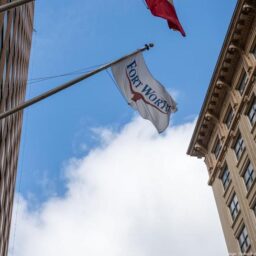
Fort Worth’s reputation as a rising hub for professional services was further solidified in August 2025 as Parkhill, a regional architecture and engineering firm, announced the opening of its newest office in the city’s Frost Tower one of downtown’s most prominent office buildings.
The expansion represents a strategic move by Parkhill to serve North Texas’s growing demand for infrastructure, municipal, and private development projects. As reported by The Business Press, the Fort Worth location will support projects across sectors including transportation, water systems, education, and healthcare.(The Business Press)
Parkhill’s decision also underscores the city’s broader appeal to firms seeking proximity to public sector clients, access to top engineering talent, and a collaborative business environment. With this move, Fort Worth continues to attract forward-looking companies that play a crucial role in shaping regional infrastructure and community development.
Innovation, Infrastructure, and Investment Drive DFW’s Resilience
August 2025 reinforced what stakeholders across the region already know: Dallas-Fort Worth continues to lead through balance, scale, and strategic investment. With groundbreaking developments in AI infrastructure from Wistron and Adom Industries, renewed momentum in the office market, and essential expansions in healthcare and hospitality, the Metroplex is growing in all the right ways. Fort Worth’s emergence as a center for digital infrastructure and engineering talent complements Dallas’s real estate and corporate resurgence, showcasing how both cities are charting a sustainable, innovation-driven path forward. As companies double down on DFW, the region is proving its resilience not just in numbers but in long-term vision.