Introduction: A Market Scaling Through Capital, Jobs, and Infrastructure
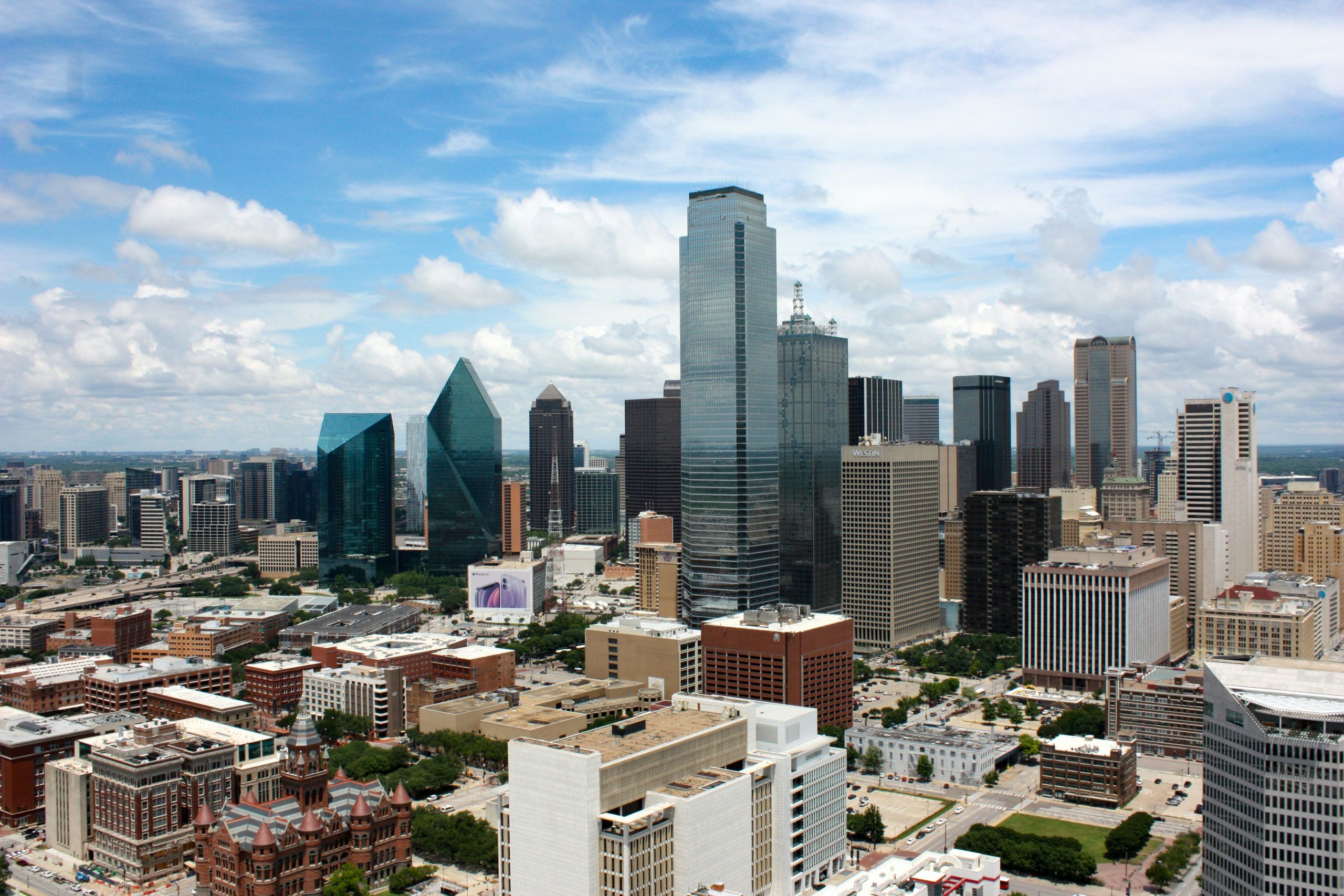
Dallas-Fort Worth continues to establish itself as one of the most scalable economic regions in the country, with March 2026 activity showing expansion across financial markets, corporate headquarters, healthcare systems, and digital infrastructure. The consistency of these announcements points to a market supported by real economic demand rather than short-term cycles.
Growth in North Texas is being driven by a combination of population inflow, corporate relocation, and capital investment. As companies expand operations and infrastructure continues to develop, the region is able to absorb new residents, jobs, and business activity without creating imbalance across sectors.
This alignment between employment growth, capital deployment, and infrastructure development continues to reinforce Dallas-Fort Worth as a long-term growth market capable of sustaining expansion across multiple economic cycles.
Texas Stock Exchange Launch Expands Financial Infrastructure
The planned launch of the Texas Stock Exchange introduces a new layer of financial infrastructure to Dallas, positioning the region to play a larger role in capital markets activity (Dallas Business Journal). A new exchange creates additional capacity for trading, capital formation, and investment activity, which can attract both institutional participants and corporate issuers.
Financial infrastructure at this level is typically concentrated in only a few markets. Expanding that capacity into North Texas signals a shift in where capital is being deployed and managed. As trading activity and financial services grow, the region benefits from increased demand for financial professionals, legal services, and corporate support functions.
This development builds on Dallas’s existing base of banking and financial services, further strengthening its position as a center for capital allocation and financial operations.
Public Storage Expands Through Major North Texas Acquisition
Public Storage is increasing its footprint in North Texas through a major acquisition that adds significant capacity to its portfolio (Dallas Business Journal). The expansion reflects sustained demand for storage, which is closely tied to population growth, residential movement, and housing turnover.
As more residents move into the region, storage demand increases during relocation periods, downsizing, and transitions between housing. This creates a steady usage pattern that supports long-term occupancy across facilities.
Large-scale acquisitions in this sector indicate confidence in continued migration trends and housing activity. As North Texas grows, supporting real estate sectors such as storage, logistics, and distribution expand alongside residential demand.
Plano Data Center Development Reflects AI-Driven Demand
A new data center project in Plano highlights the rapid growth in demand for digital infrastructure driven by artificial intelligence and cloud computing (WFAA). These facilities require significant capital investment and are designed to support large-scale data processing and storage.
Data centers depend on access to reliable power, fiber connectivity, and available land — all of which North Texas can provide at scale. As demand for AI computing increases, regions capable of supporting these facilities are seeing accelerated investment.
Construction and operation of data centers contribute to the local economy through both short-term job creation and long-term technical roles. They also increase demand for energy infrastructure and support services, further expanding economic activity.
Corporate Relocation Competition Reinforces Market Strength
Dallas continues to compete with other major metros for corporate relocations, with companies evaluating the region alongside markets like Charlotte (Axios). The Dallas metro has quickly moved up to the second-largest hub for financial workers, behind only New York, with about 382,000 professionals compared to Charlotte’s 125,000. (Axios). The consistent inclusion of Dallas in these decisions reflects its ability to support large-scale business operations.
Corporate relocations bring measurable economic impact, including new jobs, increased office demand, and expansion of the local tax base. Companies relocating to North Texas often bring entire teams, including executive leadership and operational staff.
The region’s central location, business environment, and infrastructure capacity continue to make it an attractive destination for companies seeking long-term growth.

Healthcare Investment Expands Through Parkland System Growth
Parkland Health is advancing major hospital infrastructure plans, reinforcing healthcare as one of the largest and most stable employment sectors in the region (Dallas Business Journal). Hospital systems require continuous investment in facilities, technology, and staffing to meet growing population needs.
Healthcare expansion generates a wide range of jobs, from physicians and nurses to administrative and support roles. These positions provide stable employment and contribute to consistent income levels across the region.
As population continues to grow, demand for healthcare services increases, making this sector one of the most reliable drivers of long-term economic activity in North Texas.
Mercedes-Benz Financial Expands North Texas Operations
Mercedes-Benz Financial Services is expanding its North Texas headquarters, bringing additional employees and operational capacity to the region (Fort Worth Chamber). Corporate expansions of this nature contribute directly to job growth and reinforce the region’s role as a hub for financial and corporate services.
“The expansion provided a great opportunity to implement the Welcome Fort Worth program, a joint initiative led by the Fort Worth Chamber in partnership with the City of Fort Worth, the Fort Worth Economic Development Partnership, and Workforce Solutions for Tarrant County. The program is designed to help new companies, expanding companies, and employees quickly connect with the people, resources, and institutions that make Fort Worth a great place to live and work”. (Fort Worth Chamber).
These operations typically include finance, operations, and management roles that offer above-average wages. As employment increases, local spending also rises, supporting housing demand and retail activity.
Global companies expanding in North Texas reflect confidence in the region’s workforce, infrastructure, and long-term economic outlook.
Fort Worth Development Advances with Heritage Paddock Park
Development in Fort Worth continues with projects like Heritage Paddock Park, adding new mixed-use capacity to the downtown area (Dallas Business Journal). These developments combine residential, retail, and commercial uses, creating more efficient and active urban environments. Andy Taft, president of Downtown Fort Worth Inc., said the approval is significant for the project, which he said would create a “downtown green space destination” at the base of the courthouse. Downtown Fort Worth Inc. is working with the city to bring the project to life. (Dallas Business Journal).
“All of these together will create a new regional destination for Fort Worth,” Taft said (Dallas Business Journal). Mixed-use projects increase density while supporting multiple forms of economic activity within a single development. As residents move into these areas, demand for retail, services, and office space grows alongside them.
The continued expansion of Fort Worth’s development pipeline reflects strong demand for both housing and commercial space as the city grows.
Retail Expansion Follows Population Growth Across North Texas
Retail growth continues across the region, with new grocery and restaurant openings reflecting increasing population and consumer demand. A new Tom Thumb location in Argyle highlights expansion into growing suburban markets where new housing development is driving demand (CultureMap).
Restaurant expansion, including Yard House entering the Dallas market, reflects confidence in consumer spending and traffic patterns (Chron). National brands typically expand into markets where they see consistent demand supported by population density and income growth.
Retail and restaurant activity closely follows residential expansion. As new communities develop, commercial services expand to meet demand, reinforcing the strength of local economies.
TCU Investment Supports Long-Term Workforce Development
Texas Christian University is receiving a $10 million foundation investment that will support continued campus development and institutional growth (Dallas Business Journal). Investments in higher education contribute to workforce development and long-term economic stability.
Universities generate economic activity through employment, student spending, and research initiatives. They also play a key role in preparing the future workforce needed by local industries.
Continued investment in education strengthens the talent pipeline and supports sustained growth across sectors such as finance, healthcare, and technology.
Conclusion: Growth Driven by Capital, Jobs, and Infrastructure Alignment
March 2026 activity across Dallas-Fort Worth highlights a market where multiple economic drivers are expanding simultaneously. Financial infrastructure is growing through the launch of a new stock exchange, while corporate expansions continue to add jobs and increase operational capacity.
At the same time, data center development reflects rising demand for digital infrastructure, and healthcare investment supports long-term employment stability. Retail and mixed-use development continue to expand alongside population growth, reinforcing demand across housing and commercial sectors.
The alignment between capital markets, corporate growth, infrastructure investment, and population expansion continues to define Dallas-Fort Worth’s trajectory. As these factors move together, the region remains one of the most scalable and durable economic environments in the country.
About Rise48 Equity:
Rise48 Equity is a Multifamily Investment Group with local offices in Phoenix, AZ, Dallas, TX, and Charlotte, NC. “At Rise48 Equity, we provide opportunities for accredited and non-accredited investors to protect and grow their wealth and achieve passive cash flow. Our team brings expertise to acquire, reposition, and return capital to investors upon reaching our business plan. Through our research and strategically formed partnerships, we acquire commercial multifamily apartment properties, strategically add value to the properties, and create passive income for our investors through cash flow and profits from the sale.”
Since 2019, Rise48 Equity has completed over $2.4 Billion+ in total transactions and currently has $2 Billion assets under management located in Arizona, Texas, and North Carolina. All of the company’s assets under management are managed by Rise48 Equity’s vertically integrated property management company, Rise48 Communities.