Dallas Powers Ahead with Strategic Growth and Investment in Q4
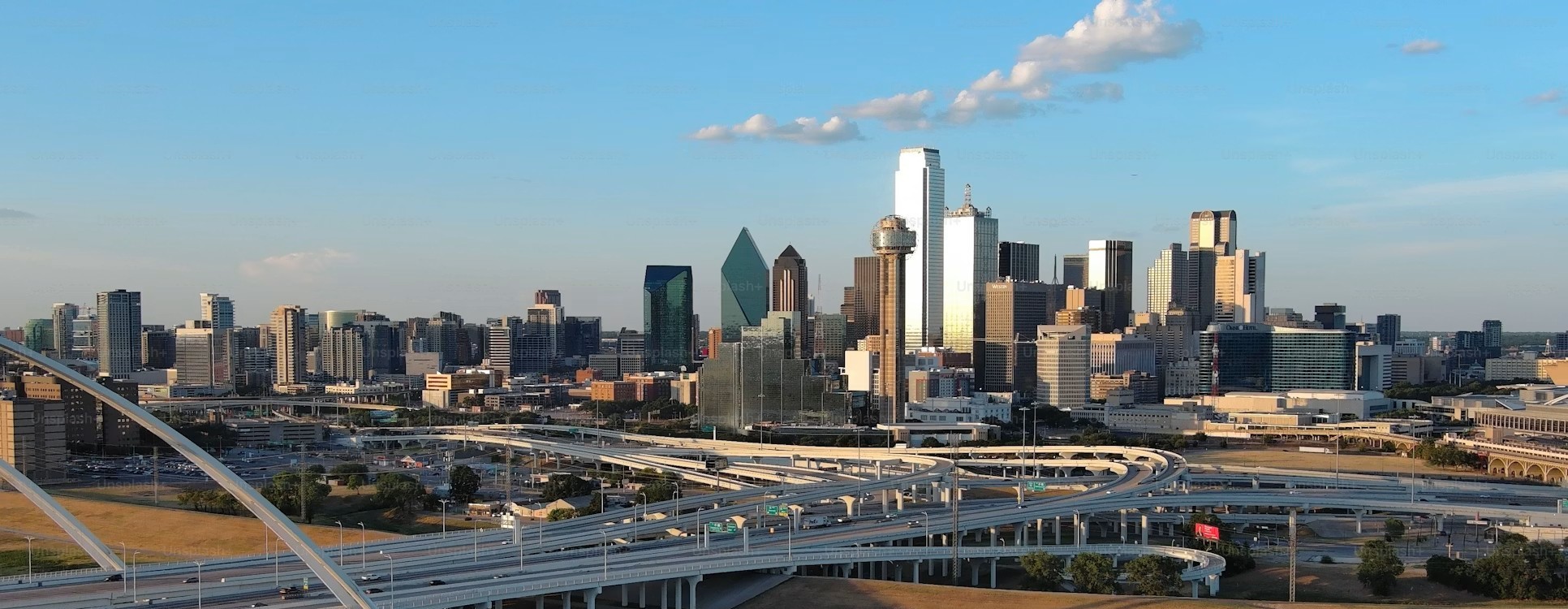
As 2025 winds down, Dallas-Fort Worth is closing the year with economic force, fueled by sustained job creation, infrastructure investment, real estate development, and new corporate headquarters. The region continues to outperform expectations with activity in key sectors from retail and finance to logistics and innovation.
November’s market highlights include a $572 million in announced investments in just one suburb, major restaurant and retail expansions across DFW, and the rise of Dallas as a national financial hub. With both local momentum and global visibility, DFW continues to position itself as one of America’s most resilient and opportunistic economies.
Irving Surges with Over $572 Million in Economic Development

Irving is closing 2025 as one of the most dynamic growth engines in North Texas, having announced more than $572 million in total capital investment across 20 active economic development projects. These efforts are expected to deliver over 5,000 new jobs to the city, making it one of the most successful years on record for Irving’s economic development team. (Business Journal)
What sets Irving apart is not just the volume of investment, but the diversity of industries represented. From advanced logistics to professional services, technology, and real estate, the city has strategically aligned itself with sectors poised for long-term growth. According to reporting from the Dallas Business Journal, several of these projects include headquarters expansions, office renovations, and new developments that reflect confidence in Irving’s central location, infrastructure, and talent pipeline. (Business Journal)
Las Colinas, Irving’s flagship urban center, continues to act as a magnet for corporate relocations and regional office expansions, offering modern workspace, access to DFW Airport, and a business-friendly environment. As companies seek operational efficiency and proximity to regional markets, Irving stands out as a city that pairs urban accessibility with suburban livability an increasingly rare and valuable combination. (PR Newswire)
Design District’s Culinary and Lifestyle Scene Gets a Major Boost
Dallas’s Design District is rapidly evolving into more than just a showroom corridor it’s becoming a vibrant destination for food, entertainment, and lifestyle experiences. Leading this transformation is HN Capital Partners, which recently unveiled a slate of new developments that will bring rooftop dining, Mediterranean cuisine, and even padel courts to the district.
This revitalization reflects a larger trend across Dallas: neighborhoods once known primarily for commerce or production are now being reimagined for mixed-use lifestyle ecosystems. With developers increasingly focused on curating destination neighborhoods, the Design District is poised to become a signature case study in successful urban redevelopment. (Business Journal)
Retail Expansion Brings Familiar Brands and Local Favorites Across DFW
Retail momentum in Dallas-Fort Worth continues to gain traction, with a wave of national brands and homegrown favorites launching new locations across the region. In November, companies such as Chipotle, Barnes & Noble, Lowe’s, and Dutch Bros announced or opened new stores in key growth corridors like Frisco, McKinney, North Fort Worth, and Mansfield, reflecting strong consumer demand in the suburban markets surrounding Dallas. (Business Journal)
This surge isn’t just about retail density it’s about strategic placements in high-growth, high-income zones. These areas are experiencing consistent population increases, particularly among millennial families and remote professionals seeking suburban affordability without sacrificing lifestyle amenities. The success of these locations underscores the resilience of DFW’s retail sector and the region’s ability to sustain brick-and-mortar expansion even in a digital-first economy. (Business Journal)
Joe V’s Smart Shop by H-E-B Expands in North Texas
H-E-B’s value-format brand, Joe V’s Smart Shop, is continuing its aggressive expansion into the Dallas-Fort Worth region, further cementing North Texas as a competitive battleground for grocery dominance. In November, the company opened its third Joe V’s location in the region.
This move is not just about market share it’s part of a broader regional strategy. As inflation and affordability concerns remain top of mind for households, H-E-B is positioning Joe V’s as a high-trust, low-cost alternative to big-box grocers. With additional sites already in the works, Joe V’s is quickly becoming a staple in North Texas’s evolving grocery landscape. (WFA –TV Dallas/ Ft Worth)
Dallas Becomes a New Hub for National Stock Listings

Dallas is rapidly solidifying its reputation as a national financial center, thanks in part to the growing footprint of stock listing platforms in the region. In November, Nasdaq joined the momentum by launching a dual listing venue in partnership with the Texas Stock Exchange (TXSE), making Dallas one of the few U.S. metros with a locally anchored equity listings platform. (D CEO Magazine)
The move also underscores the Metroplex’s growing importance to institutional investors and fintech operators, many of whom are now headquartered or significantly staffed in the region. As companies continue relocating to Texas, Dallas is increasingly being recognized not just as a place to do business but as a place to raise capital and go public.
Dallas-Fort Worth’s Industrial Real Estate Keeps Delivering
Even as other U.S. markets experience softening in the industrial sector, Dallas-Fort Worth continues to lead with strength and scale, reaffirming its position as one of the most resilient and in-demand industrial real estate markets in the country. Developers across North Texas are actively breaking ground on new logistics hubs, distribution centers, and last-mile facilities, with demand remaining steady from both national and international tenants.
Areas like South Dallas, Alliance, Mesquite, and the I-20 corridor are seeing a surge in leasing activity. This is largely due to the region’s unmatched infrastructure network, central location, and available labor pool. Developers are responding to tenant needs with flexible square footage, energy-efficient design, and close proximity to highways and rail. “Dallas mirrors the national economy in its sector diversification, making it resilient and attractive for investment,” the report reads. (Business Journal)
Vacancy rates in many DFW submarkets remain competitive despite the influx of new inventory. Institutional investors continue to see North Texas as a safe haven for industrial capital, betting on long-term demand for e-commerce fulfillment, manufacturing support, and supply chain resilience. With billions in active projects and more planned in 2026, Dallas-Fort Worth’s industrial engine shows no signs of slowing down.(Business Journal)
Unleashed Brands Moves Headquarters to Las Colinas
Unleashed Brands, the parent company behind popular family-focused franchises like Urban Air Adventure Park, Snapology, and The Little Gym, has officially relocated its corporate headquarters to Las Colinas, bringing its growing portfolio of youth enrichment concepts to the heart of North Texas commerce.
The company’s new 50,000-square-foot headquarters is designed to support expanded operations, accommodate future brand acquisitions, and house franchise development teams. The move reflects the company’s need for a more scalable, modern facility and underscores the ongoing appeal of Las Colinas as a corporate destination. (PR Newswire)
Open Sesame Founder Brings Modern Mediterranean Concept to Uptown
The founder of the acclaimed Open Sesame restaurant is preparing to bring a fresh, modern Mediterranean dining concept to Uptown Dallas, continuing the city’s trend of elevating global cuisine through local execution. The new venue will open in The Centrum, a revitalized mixed-use development that’s attracting a wave of innovative chefs and hospitality brands.
This move underscores the evolving culinary landscape in Uptown, where demand for destination dining continues to rise alongside new residential and office developments. With The Centrum undergoing a repositioning as a lifestyle-driven hub, this concept is expected to draw not only foodies but also business travelers and weekend crowds looking for elevated dining in the heart of Dallas. (Business Journal)
Tech Expansion Adds Jobs and Momentum in Richardson

Richardson, long recognized as a foundational tech corridor in North Texas, is experiencing renewed energy as a homegrown technology company announced a $1.45 million expansion, adding new engineering and technical jobs within the city’s Innovation Quarter.
The project, backed by support from the Richardson City Council, is part of the area’s strategic push to retain and grow its tech sector. Community Impact reports, the company is leveraging the city’s strengths in workforce training, fiber infrastructure, and proximity to Dallas’s urban core to scale operations sustainably. (Community impact)
This expansion not only reinforces Richardson’s historic identity as the “Telecom Corridor” but also signals its next chapter as a hub for next-generation software development, digital services, and applied tech innovation. As more firms look to scale in second-ring cities, Richardson offers an ideal combination of affordability, accessibility, and technical talent.(Community impact)
Conclusion: Dallas Ends the Year With Confidence Across Sectors
November 2025 cemented Dallas-Fort Worth’s reputation as a metro that delivers across all fronts from real estate and retail to logistics, finance, and innovation. As new headquarters settle into Las Colinas, global financial markets take notice of Texas-based listings, and construction booms across industrial corridors, one thing is clear: DFW is ending 2025 stronger than ever.
With job creation, capital investment, and infrastructure upgrades leading the way, the region is primed to enter 2026 with resilience, talent, and opportunity at the core of its next chapter.